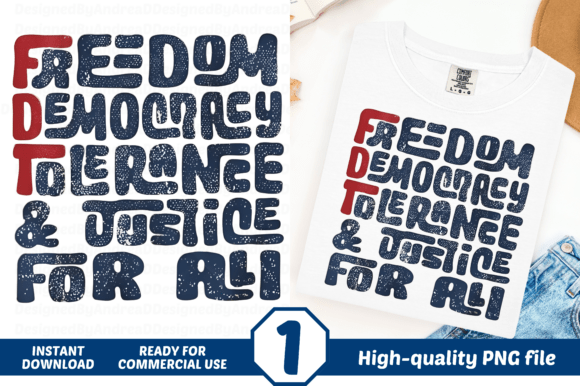
FDP Y Justice for All, Policy: A Modern Approach to Creative Expression and Business Innovation
In today’s fast-paced digital world, the intersection of policy, creativity, and commerce is becoming increasingly significant. One concept that has gained traction among creators, entrepreneurs, and businesses is FDP Y Justice for All, Policy. This term encapsulates a movement that emphasizes fairness, accessibility, and ethical practices in both the creation and distribution of design content. As more individuals and organizations seek to align their work with broader social values, understanding and leveraging FDP Y Justice for All, Policy can open new opportunities for growth and impact.
The Evolution of FDP Y Justice for All, Policy
The idea behind FDP Y Justice for All, Policy stems from a growing awareness of the need for transparency and equity in creative industries. Traditionally, design assets such as graphics, illustrations, and templates were often locked behind paywalls or restricted by strict licensing agreements. However, a shift toward more open and inclusive practices has led to the emergence of policies that prioritize accessibility and fair use.
This evolution is not just about free content—it's about creating a system where creators and users can benefit mutually. By supporting FDP Y Justice for All, Policy, businesses and individuals can access high-quality design resources without compromising on quality or ethical standards. This approach aligns with modern values that emphasize collaboration, sustainability, and responsible consumption.
How FDP Y Justice for All, Policy Fits Into Current Trends
As consumers become more conscious of the products they purchase and the companies they support, there is a clear trend toward ethical and transparent business practices. This extends to the creative industry, where users are increasingly seeking out designs that reflect their values. FDP Y Justice for All, Policy supports this shift by promoting the use of design assets that are not only visually appealing but also ethically sourced and legally compliant.
Additionally, the rise of remote work and digital entrepreneurship has changed how people interact with design tools. Many professionals now rely on customizable, high-resolution assets that can be easily adapted to different formats and platforms. This is where FDP Y Justice for All, Policy becomes particularly relevant, as it encourages the development and sharing of versatile design elements that cater to diverse needs.
Practical Implications for Creators and Businesses
For creators, FDP Y Justice for All, Policy offers a framework for producing and distributing design content that is both innovative and accessible. It allows artists and designers to share their work with a wider audience while maintaining control over how their creations are used. This balance between creativity and responsibility is essential in an era where intellectual property rights and ethical considerations are more important than ever.
Businesses, on the other hand, can benefit from FDP Y Justice for All, Policy by incorporating high-quality, legally usable design assets into their marketing materials, product packaging, and branding efforts. This not only enhances the visual appeal of their offerings but also ensures compliance with legal and ethical standards. For example, a small business owner looking to print custom t-shirts can use a 300 DPI PNG file that is easy to resize and adapt for different applications, all while supporting a fair and transparent design ecosystem.
Exploring FDP Y Justice for All, Policy Through Sublimation Design
One area where FDP Y Justice for All, Policy has had a noticeable impact is in sublimation design. This technique involves transferring printed images onto various surfaces using heat, making it ideal for creating personalized items like t-shirts, mugs, and wall decorations. The availability of high-resolution design files—such as the 300 DPI PNG mentioned in the download package—makes it easier for individuals and businesses to produce professional-quality results without the need for expensive equipment or complex software.
Sublimation design is particularly popular among hobbyists and small-scale entrepreneurs who want to create unique, customized products. By using design assets that adhere to FDP Y Justice for All, Policy, these creators can ensure that their work is both legally sound and ethically produced. This not only protects them from potential legal issues but also builds trust with their customers, who are increasingly concerned about the origins and ethics of the products they purchase.
Realistic Examples and Recommendations
Consider a freelance graphic designer who wants to expand their portfolio by offering downloadable design templates. By following FDP Y Justice for All, Policy, they can provide clients with flexible, high-quality assets that can be used across multiple platforms and projects. This approach not only increases the value of their work but also strengthens their reputation as a responsible and ethical creator.
Similarly, a local business owner looking to create custom stickers or promotional materials can take advantage of the 300 DPI PNG file included in the download package. This file is easy to resize and adapt, allowing the business to maintain a consistent brand identity across different mediums. Whether they’re printing on t-shirts, cards, or scrapbooks, the flexibility of the design ensures that their message remains clear and impactful.
Why FDP Y Justice for All, Policy Matters Today
The relevance of FDP Y Justice for All, Policy lies in its ability to address the evolving needs of both creators and consumers. As technology continues to shape how we interact with design, the demand for accessible, high-quality assets is growing. At the same time, there is a stronger emphasis on ethical practices, sustainability, and transparency in all areas of business and creativity.
By embracing FDP Y Justice for All, Policy, individuals and organizations can contribute to a more equitable and innovative design landscape. This includes supporting creators who prioritize fair compensation, encouraging the use of legally compliant assets, and fostering a culture of respect and responsibility in the creative community.
Conclusion: Embracing FDP Y Justice for All, Policy in Everyday Practice
FDP Y Justice for All, Policy is more than just a concept—it’s a practical approach to design, business, and ethical responsibility. Whether you’re a professional designer, an entrepreneur, or a hobbyist, understanding and applying this policy can enhance your work and align it with modern values. By choosing design assets that support fairness, accessibility, and legality, you not only improve your own workflow but also contribute to a more sustainable and inclusive creative industry.